Energy Efficiency Boost: Just How Modern Home Window Replacement Conserves Cash
@reidmfgr493
Homes leak cash in silent means. Old windows are one of the worst offenders, slipping warmth out in winter season, inviting it in during summer season, and allowing your a/c system labor with longer cycles than required. Swap in the ideal replacement systems, set up properly, and you lower power use, maintain room temperature levels, and protect the structure from dampness and UV damages. The numbers are not concept. They turn up on reduced utility bills, a quieter home, and fewer service ask for a stressed out furnace or air conditioner.
This overview originates from years in the area, drawing deteriorating sash frameworks out of plaster walls, creeping around stucco returns with a flashing tool, and gauging delta-T throughout panes on icy mornings. Window substitute is not magic. It is constructing science done cleanly at an at risk opening in your envelope. When you line up glass innovation, structure materials, and careful window installment with the rhythms of your environment and residence, you gain the savings that sales brochures promise.
Where energy in fact gets away at a window
Most individuals indicate glass, and indeed, polishing matters. Yet heat loss and gain happen via 3 main paths: conduction through glass and structures, air leakage around the unit, and radiation from sunshine. On windy evenings in older homes, the larger problem is typically seepage at the frame-to-wall joint, not the pane itself. The leakage path usually hides behind trim where the old sash weight pockets or shims sit. Seal that space well, and even a mid-range double pane home window can provide huge convenience gains.
Radiant heat is the summer nemesis. Without the best Low-E coverings and a reasonable solar heat gain coefficient, southern and western exposures turn spaces into ovens. Structures count too. Aluminum conducts warmth promptly, plastic withstands it, fiberglass does also much better, and wood carries out well yet needs protection and maintenance. Pay attention to the entire assembly, not simply the visible glass.
The measurable metrics that matter
Window sticker labels carry 4 numbers that deserve your interest. U-factor steps heat loss price. Lower is better. In many U.S. climates, a U-factor between 0.20 and 0.30 is a good target, with the reduced end much more useful in cooler areas. Solar Heat Gain Coefficient, or SHGC, runs from 0 to 1. Lower restrictions summertime warm gain, greater can assist winter months warm in chilly, warm places. Noticeable Transmittance (VT) tells you just how much natural light survives. Air leakage ranking, if listed, indicates exactly how drafty the system will really feel at pressure.
A house owner in Minneapolis may select U 0.22, SHGC 0.35 on south home windows to harvest wintertime sun, and U 0.22, SHGC 0.25 on west home windows to tame mid-day warmth. A homeowner in Phoenix metro often goes with U around 0.25 and SHGC closer to 0.20 on all direct exposures to cut air conditioning lots. The best combination modifications by region and alignment. If a sales representative uses a single spec for the whole home without asking where the windows deal with, ask better questions or discover a different vendor.
Glass technology, in plain terms
Modern dual and triple pane devices catch a protecting gas, typically argon, in some cases krypton in narrow tooth cavities. Low-E coatings show infrared energy back where it originated from, inside during winter and outside throughout summertime. Manufacturers tune these finishes. One kind may pass extra daylight but block more solar warmth. Another could focus on winter season retention at the expense of a darker tint. None of this is marketing fluff. I have gauged a 10 to 15 degree Fahrenheit surface temperature level difference between a clear double pane and a dual pane with modern Low-E on a warm January day. That equates to less heating system cycles and less chilly drafts you really feel near the glass.
Triple pane windows radiate in very cold environments and in homes near busy roads. The added layer quiets sound and decreases U-factor a notch. They add weight, price, and impose stricter setup demands. In a moderate climate, the repayment prolongs and in some cases never ever captures up. You make use of the best tool for the environment, not the most pricey one.
Frames, spacers, and why the details add up
Frames are not easy. They can bridge warmth in or out if the product carries out energy openly. Plastic frames with multiple interior chambers shield far better than hollow vinyl. Fiberglass structures resist activity under temperature swings and match glass growth prices a lot more closely, which aids seals last much longer. Timber has the traditional appearance and strong thermal performance, however it requires exterior cladding or consistent upkeep to prevent rot.
Spacers between panes deserve a mention. Older light weight aluminum spacers encourage a "cold side" that cultivates condensation. Warm-edge spacers constructed from stainless steel, foam, or compounds lower this impact. If you have actually ever before seen a dark ring of moisture around the border of a window on a cool early morning, you have seen the spacer's function. Modern spacers reduced that risk and help safeguard indoor finishes.
The installment matters as long as the window
You can purchase the best executing unit on paper and still wind up with drafts and wetness troubles if the home window installment stops working at the basics. Every job boils down to 3 layers: water managed to the outside, air sealed in between structure and wall surface, and thermal insulation filling up the rough opening without deforming the frame.
A basic retrofit on a home with great house siding and undamaged flashing may get a pocket or insert home window. This technique maintains the existing frame and trims, sliding a brand-new device within. It is quicker and less costly, yet it narrows the glass area a little bit and can not deal with underlying blinking issues. A full structure replacement gets rid of everything down to the studs, allows you proper openings, fixing rot, and install proper sill pan flashing and self-adhered membrane layers. It takes longer and costs extra, yet it is the appropriate choice when water intrusion appears or when historical structures have shifted out of square.
On site, we start by examining the opening for degree and plumb, then dry-fit the home window. Next comes a versatile sill pan or preformed pan that pitches any type of incidental water to the exterior. We use sealant grains at the nailing flange, set the unit, secure per supplier pattern, confirm operation, and then incorporate the flange with housewrap utilizing shingle-style flashing tape layers. Inside, we protect the space with low-expansion foam or mineral woollen to stay clear of bowing the frame, and we finish a continual air seal at the indoor plane with caulk or tape. Miss any type of among those steps, and the window's lab efficiency stays in the lab.
What real financial savings look like on a normal house
Home energy usage differs wildly by environment, family members routines, and equipment. Still, some patterns repeat. In a 2,000 square foot wood-frame home constructed in the 1980s with single pane light weight aluminum sliders and no Low-E storm windows, I have seen home heating costs go down 15 to 25 percent after a complete window replacement integrated with cautious air securing and attic room top-off insulation. In a comparable home with maturing dual pane devices that had actually fallen short seals and fogged glass, replacing with contemporary Low-E double panes generally trims 8 to 15 percent.
Cooling financial savings typically turn up extra drastically due to the fact that old clear glass welcomes solar gain. In warm environments, reducing SHGC on sun-facing altitudes can cut peak air conditioning loads sufficient to allow a right-sized AC run steadier and cycle much less. That steadier run is not just quieter. It dehumidifies much better. People call to say the house "feels" cooler at the very same thermostat setup. Really feeling issues due to the fact that comfort is the result you cope with each day, not just the utility bill.
Payback depends on energy prices and incentives. When electrical energy runs 15 to 25 cents per kilowatt-hour and gas crosses 1.50 to 2.00 dollars per therm, high-performance windows with correct setup can repay in 7 to 12 years in numerous markets. In cheap-energy locations, the repayment stretches, and convenience and upkeep advantages bring more of the validation. Rebates and tax debts can turn the math. Programs typically need power STAR licensed items or certain U-factor and SHGC worths. Save your item labels and invoices. Auditors often ask for identification numbers and setup dates.
Comfort and longevity, the silent returns
Even when the spreadsheet looks limited, comfort gains alter just how you utilize your home. An analysis chair near a changed home window in January no longer feels like resting alongside a cool sink. Rooms remain dark and cooler with a tuned SHGC and an appropriate color-neutral Low-E that keeps noticeable light comfortable. Sound attenuation boosts also. Move from a rattly single pane to a laminated dual pane, and roadway noise stop by a recognizable margin.
Durability comes from reducing condensation threat. Wetness at the indoor pane signals a surface area temperature level listed below the humidity of the interior air. Lower U-factors raise the glass temperature level, and far better spacers keep the sides warmer. The result is less fog, fewer black mold marks on the sash, and a lower threat of paint failure or sill rot. If you have a fish tank, great deals of houseplants, or you run a humidifier hard in winter months, take notice of air flow as well. Even the very best home windows can gather wetness if interior humidity runs high for the season.
When replacement defeats repair work, and when it does not
I like to save old windows when they are strong timber with basic, repairable joinery. A sash rebuild with weatherstripping and a great storm window can come close to the efficiency of a modern-day double pane at a reduced price. In historic districts, this route maintains the initial profiles and protects character. The trade-off is upkeep. You will certainly scrape and paint on a routine, and tornados are not as hassle-free to operate.
Replacement makes good sense with warped frameworks, rot at critical sections, fell short shielded glass devices throughout several openings, or consistent air leak that storms can not treat. Light weight aluminum sliders from the 1960s and 70s have minimal thermal breaks and use tracks that never ever secure firmly once again. With those, contemporary devices will certainly usually deliver far better comfort and energy efficiency for the money.
The role of alignment and shading
Not every window on a residence need to share the very same specs. South-facing home windows in cold, warm regions benefit from a somewhat higher SHGC to gather winter months sun, while west-facing home windows usually need reduced SHGC to blunt afternoon warm. North-facing glass can prioritize visible light and U-factor. Include outside shading where feasible. A modest overhang or a well-placed deciduous tree reduces summer gain without sacrificing wintertime light. Inside blinds assist with glow however do little for heat prior to it enters.
If you are preparing big expanses of glass, version the solar paths for your latitude. Warmth tons surge when unshaded glass faces west between 3 and 7 pm in summer. Even the best Low-E can not entirely cancel that. Tuning the glazing bundle and including taken care of shading or operable outside screens transforms an energy hog right into a manageable design feature.
Choosing between brand names without getting shed in marketing
Forget the magazine gloss. Compare accredited performance numbers, warranty terms, and neighborhood service support. Request National Window Ranking Council (NFRC) labels or report sheets that show U-factor, SHGC, VT, and air leak. Then validate the details glass package and framework choices for the version you are buying, not just the best number the manufacturer produces somewhere in its lineup.
I like vendors with a solid local performance history. A home window is just like the solution behind it. If a shielded glass device sheds its seal and hazes after 5 years, you want a recognized office that responds to the phone and a crew that can switch the sash or panel promptly. Warranties vary extremely on labor protection, transferability, and glass breakage. Review them. If you prepare to offer within a few years, a transferable warranty is a selling point.
Practical budgeting and phasing
Whole-house home window substitute can run from low 5 figures to well right into 6 figures depending upon size, matter, structure material, and whether you need full structure replacement with outside surfaces remodelled. When spending plans are tight, phase the job by impact. Deal with one of the most subjected and troublesome elevations first. West and south exteriors with stopping working devices or rooms that get too hot and overcool pay back faster.
You can also combine procedures. Matching window substitute with targeted air securing at top plates, recessed light containers, and rim joists substances cost savings. Service providers already on website can bundle these tasks successfully. I have actually seen property owners spend an additional 5 to 10 percent on supplementary securing throughout a window task and save a similar portion extra on costs past the home window acquires alone.
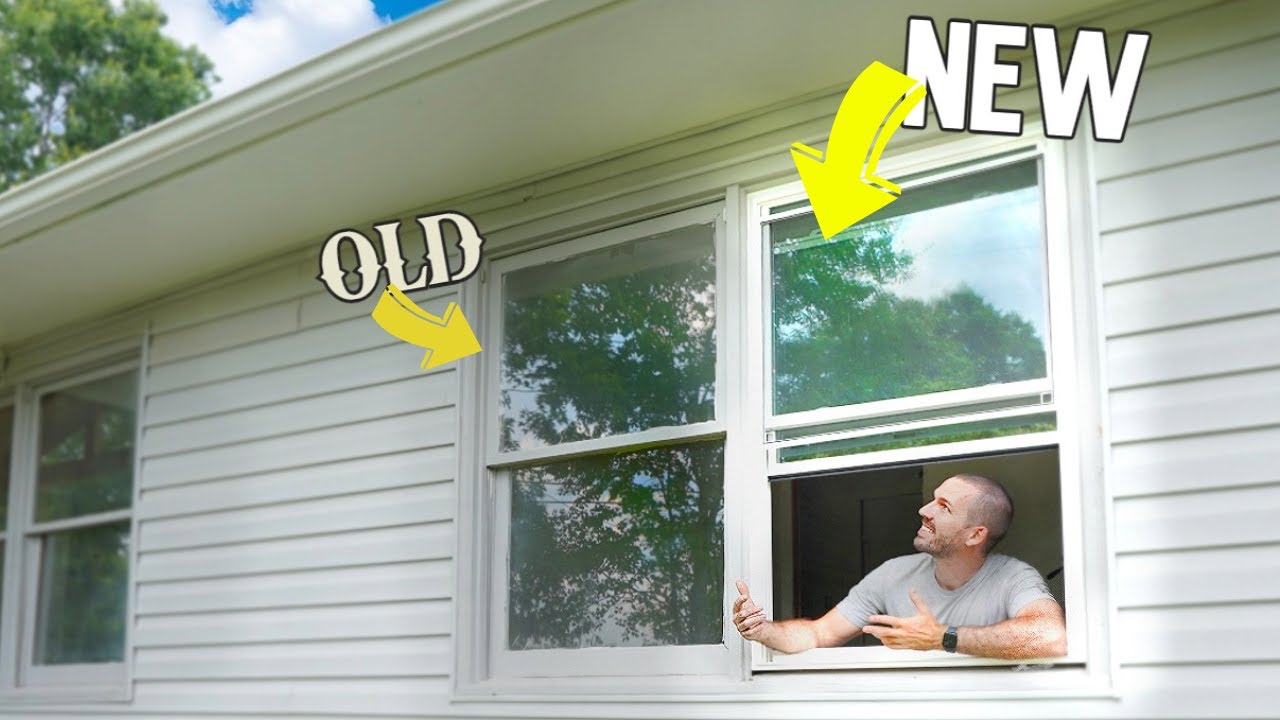
What to expect during professional home window installation
A great crew protects your home. Drop cloths drop, furnishings relocations aside, and dust control increases. Old units appear, frequently in unpleasant chunks if they are repainted in or stuck. Teams need to bring HEPA vacs and a lead-safe set in pre-1978 homes. If a sill shows soft timber, expect a conversation and a modification order to fix framing. Excellent communication right here protects against shock costs.
Exterior integration matters. On residences with siding, flanged door replacement Austin TX ACCOLADE WINDOWS new-construction windows generally provide the most durable water management. On brick or stone veneer, you may be dealing with block frame units sealed into stonework openings. That requires precise backer-rod and sealer job, in addition to a suitable blinking membrane layer. Stucco requires a careful cut-back and afterwards a brand-new stucco patch after correct blinking. If a specialist plays down exactly how they will tie right into your particular cladding system, promote details. Water adheres to the course of least resistance, and a negative tie-in is where leakages normally start.
Common blunders that increase costs later
Do not go after the most affordable bid that avoids blinking or makes use of canned foam as the single air and water barrier. Foam is insulation, not a flashing material. Avoid large shims that rack the structure out of square, resulting in sticky operation and premature weatherstrip wear. Verify that the team checks expose sizes independently rather than ordering every home window with the exact same small dimension. Old residences are seldom uniform.
Watch shade and coating options too. Dark outside surfaces on plastic can relocate more under warm, and some manufacturers limit shade guarantees in sunny climates. If you live in a high UV location, take into consideration fiberglass or aluminum-clad wood for dark tones. Inside, low-sheen surfaces hide small imperfections better and look more all-natural with timber trims.
Windows and the wider home performance picture
Windows are one item of the envelope. You can spend handsomely on best devices and still fight with convenience if ductwork leakages 20 percent of air flow into a vented attic or if your attic room insulation is thin and irregular. Before significant window substitute, a basic energy audit aids recognize the most significant opportunities. Blower door testing highlights leak courses. Infrared imaging on a cool or hot day exposes gaps. Combine that intelligence with your home window plan, and you will route dollars where they do one of the most work.
HVAC sizing commonly changes after envelope upgrades. Right-sizing tools saves cash and boosts convenience. After a home window replacement that reduces peak heat gain, a smaller sized or two-stage ac unit may be suitable. Several home owners acquire oversized systems that short-cycle and never evaporate correctly. Updating windows provides you a possibility to fix that, specifically throughout a bigger renovation.
A brief situation narrative
A couple in a 1974 ranch had 12 light weight aluminum sliders with clear glass. Summer afternoons pressed the living room to 84 degrees despite having a 3-ton a/c running. We replaced west and southern windows initially, picking a dual pane, argon-filled unit with a warm-edge spacer, U-factor around 0.27 and SHGC near 0.22, using full frame substitute to fix rotten sills under 2 systems. We incorporated adaptable sill pans and taped flanges to the housewrap, then protected the voids with low-expansion foam and secured the interior plane.
The change was immediate. On a similar 95-degree day the following summer season, indoor temperature held at 76 with visibly longer but gentler air conditioner cycles, and the moisture remained reduced. Their July expense stopped by about 18 percent contrasted to a three-year typical changed for degree days. The next year, they phased the north and east elevations with a somewhat greater SHGC to maintain daytime enjoyable in an unethical breakfast nook. Overall job cost rested mid five figures, yet they captured a federal tax credit history and an energy discount after submitting NFRC labels and invoices. The better gain, they informed me, was completion of that late afternoon downturn where the living room came to be a no-go zone.
When DIY makes good sense and when it does not
Handy homeowners can set up insert windows effectively, especially on square openings with audio frameworks and basic house siding. The keys are precise measuring, following producer fastening schedules, and proper indoor air securing and exterior caulking. A dampness meter and a willingness to slow down at the first indicator of rot are essential.
Full structure replacements, or any kind of work that calls for reducing stucco, linking into housewrap, or incorporating with complex trims and claddings, favor specialist crews. The cost of repairing a bad flashing detail much exceeds the cost savings of a self-performed task. If you go DIY on inserts, pick a slower-curing, low-expansion foam and method on a side or garage window prior to dealing with the showpiece in the living room.
Environmental and health angles
Energy cost savings decrease your home's carbon footprint, however there is even more. Reduced air leakage limitations dirt and pollen seepage with splits, which can aid allergic reaction victims. Better glazing blocks a lot more UV, preserving materials and hardwood floorings. Some suppliers provide low-VOC surfaces and sealants. Ask for paperwork if indoor air top quality is a top priority. Reusing old aluminum frames is straightforward. Old plastic and fell short protected units are more difficult. A couple of areas have programs to reclaim glass and spacer products. If waste matters to you, increase it early and pick a specialist that partners with a recycler.
Setting assumptions on service warranties and maintenance
Most high quality windows lug 10 to twenty years on the insulated glass unit and differing terms on hardware and surfaces. Labor is usually restricted to the first year unless you buy an extensive plan. Maintain documents. If you notice condensation in between panes, report it as soon as possible, and photo both the fog and the NFRC tag if still present. Maintenance is small. Wash tracks, maintain weep holes clear on sliders and hoppers, and stay clear of silicone sprays that draw in dirt on balances. If you chose wood inside, plan on routine surface touch-ups at high sun exposures.
The peaceful technique of excellent choices
You do not need one of the most unique triple pane to win. You require a window plan lined up with your climate and direct exposures, mounted to the book, and incorporated right into your broader home efficiency strategy. Take note of U-factor, SHGC, and air sealing details. Choose frame materials that fit your region and resistance for maintenance. Confirm blinking and water monitoring strategies before authorizing an agreement. Phase smartly if the budget plan requires it.
Window substitute can feel like a large spend for something you primarily stare through as opposed to at. But the rewards come daily: calmer areas, balanced temperatures, quieter early mornings, and utility bills that sting less. Obtain the mix right, and those dividends continue for decades.